Think about a trip from five years ago. What do you remember? If it was built around a standard itinerary, major sites, must-sees, the kind of route a good guidebook would outline, you probably remember that you went. You may remember the scale of something, or a particular afternoon, or the hotel if it was very good or very bad.
Now think about a meal. Not dinner in passing, but one that was the point of being somewhere. The one where something happened: where you were in a room with the right people, or eating something you didn’t know existed, or doing something with your hands you had never done before.
That one you remember differently.
This is the argument for food wine travel: built around eating and drinking and the people who produce both, it creates memories that hold in a way that checklist travel simply doesn’t. Not because the landmarks aren’t worth seeing. They are. But because of how human memory actually works, and what food does to it.
What Checklist Travel Actually Leaves You With
You were at the Colosseum. You have documentation. The Vatican is checked, the David is seen, the canal ride happened. These are real experiences, many of them genuinely moving in the moment. I’m not dismissing them.
But there’s a quality to checklist travel that becomes apparent a few years out. You knew what you were going to see before you arrived. You moved through it on a schedule, alongside everyone else who also knew what they were going to see. The experience, however impressive, was largely confirmed expectation.
Confirmed expectations compress quickly into a single image. You were there. You can prove it.
Why it fades faster than people expect
Memory isn’t a photograph. It’s built from sensation, emotion, and surprise. Checklist travel, by design, minimizes surprise. The thing was famous before you arrived. The crowds confirmed its importance. You moved to the next one.
Without a sensory anchor, a relationship, or an unexpected moment, the experience folds into the category rather than staying distinct. Rome becomes Rome, not a specific afternoon in a specific place with a specific person.
What Food-Centered Travel Leaves Instead
I made cochinita pibil in the Yucatan jungle. The whole process: wrapping the pork in banana leaves, the weight of them, the smoke, a cook who didn’t speak much English but made everything clear through gesture and patience and the fact that she’d done this ten thousand times. I have thought about that afternoon more times than I can count. I could not tell you the name of a single monument I saw on that trip.
In Italy, I spent an evening with young wine producers, people in their thirties doing something their grandparents hadn’t done, pushing against tradition in the specific way that only people who understand the tradition deeply can manage. The conversation went much longer than a normal tasting. I’m still in touch with one of them.
/
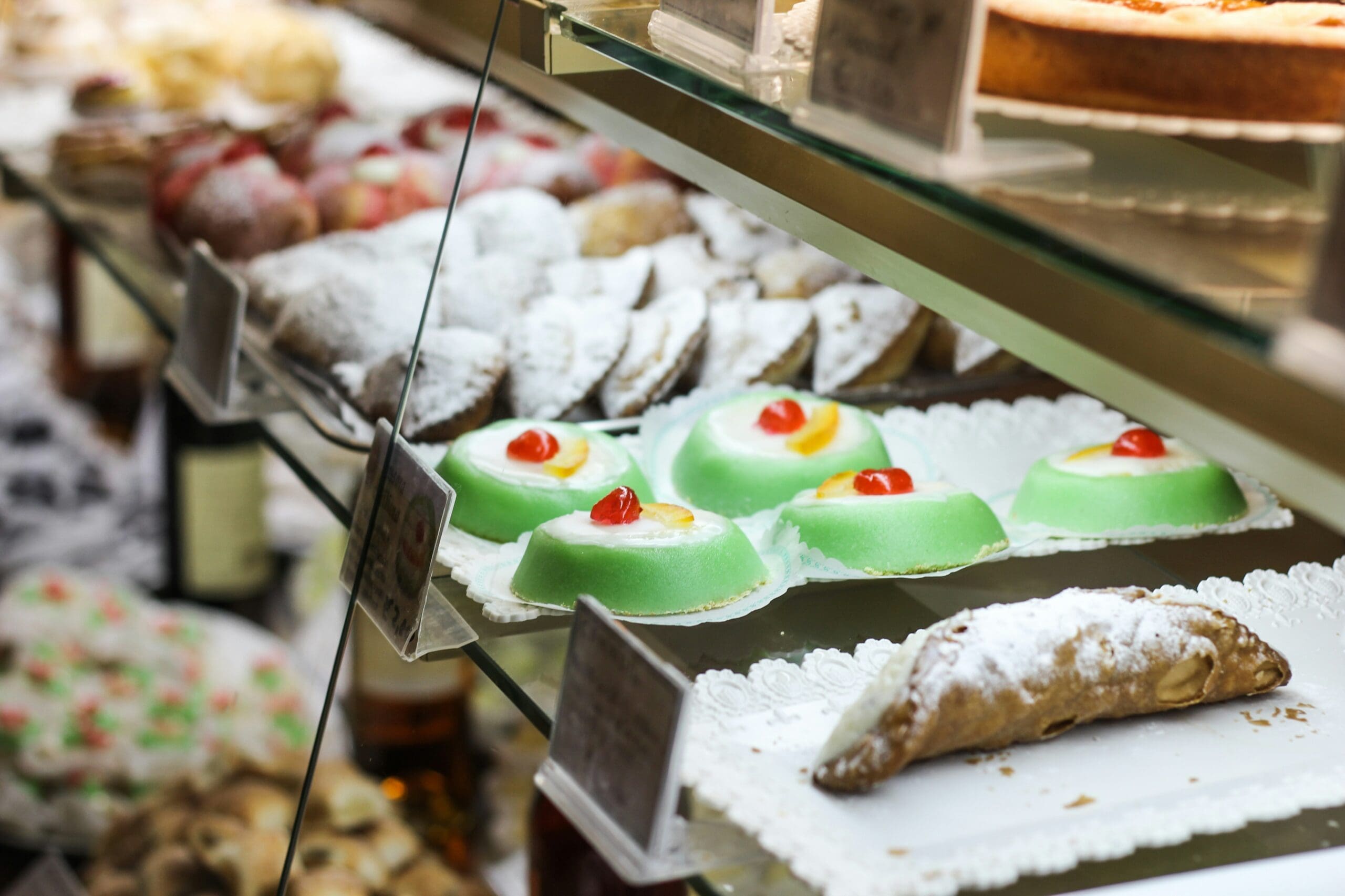
I cried over fresh ricotta in Sicily. Made that morning, still warm, eaten with nothing on it. If you’ve had it, you understand. If you haven’t, no description gets you there. That’s partly the point.
These experiences didn’t happen because I was lucky. They happened because food was the reason to be somewhere, and food put me in kitchens and cellars and at tables with people I would not have met any other way. That’s what food-centered travel does faster than anything else : it puts you in proximity to the place, not just in front of it.
Why sensory memory holds differently
Food engages sense, emotion, and relationship at the same time. That combination is why the memories it creates are harder to compress into a category. The Colosseum is impressive. The ricotta was personal. Personal things don’t fade the same way.
The checklist version of Sicily gives you the temples at Agrigento, the Valley of the Temples, the Greek theater at Taormina. All worth seeing. The culinary version gives you those too, if you want them, and also gives you mornings that change how you understand why Sicilians eat the way they eat, and when. Granita isn’t dessert in Sicily . It’s breakfast. Knowing that changes how you experience the morning, which changes how you understand the place.
FAQ: Is This Just About Eating at Good Restaurants?
A good restaurant on a trip is a pleasure. Building a trip around food is a different structure entirely.
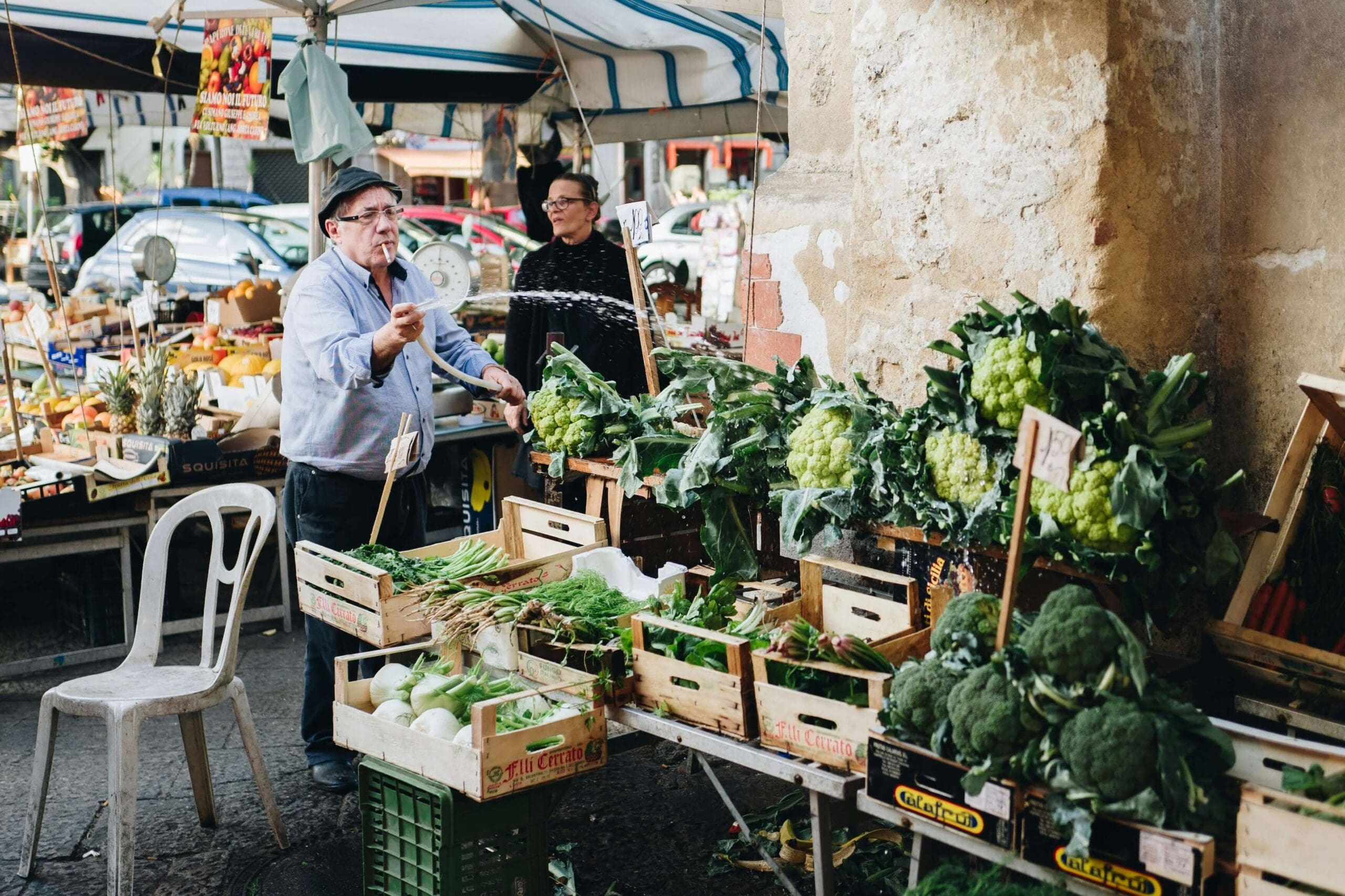
When food is the organizing principle, the logic of the itinerary changes. You’re in a market before you’re at a museum. You’re visiting a producer before you’re in a hotel lobby. The region is understood through what it grows and makes and drinks. The day follows a different sequence, and that sequence puts you in contact with people and places that a monument-to-monument route simply doesn’t reach.
What that distinction changes in planning
The sequence changes. Where you stay changes. Who you spend time with changes. How meals structure the best trips isn’t a question of what you eat. It’s about what organizing a trip around food does to the shape of the days, and what that shape makes possible.
This is a harder trip to plan well than it looks. The producer who will actually let you in, the market worth getting up early for, the cook in the Yucatan jungle who doesn’t advertise: none of that is on a booking platform. It takes knowing where to look and who to ask.
If you’ve ever come home from a trip and found yourself describing a meal before you described a monument, you already know which kind of traveler you are. This is what SORSO is built for.
If you’re ready to plan a trip around food and wine, reach me here. That’s exactly the conversation I want to have.