In this article, I walk through exactly what goes into planning a two week, multi-stop trip to Italy and how professional travel design can make all the difference, often in ways travelers never see while they are on the ground.
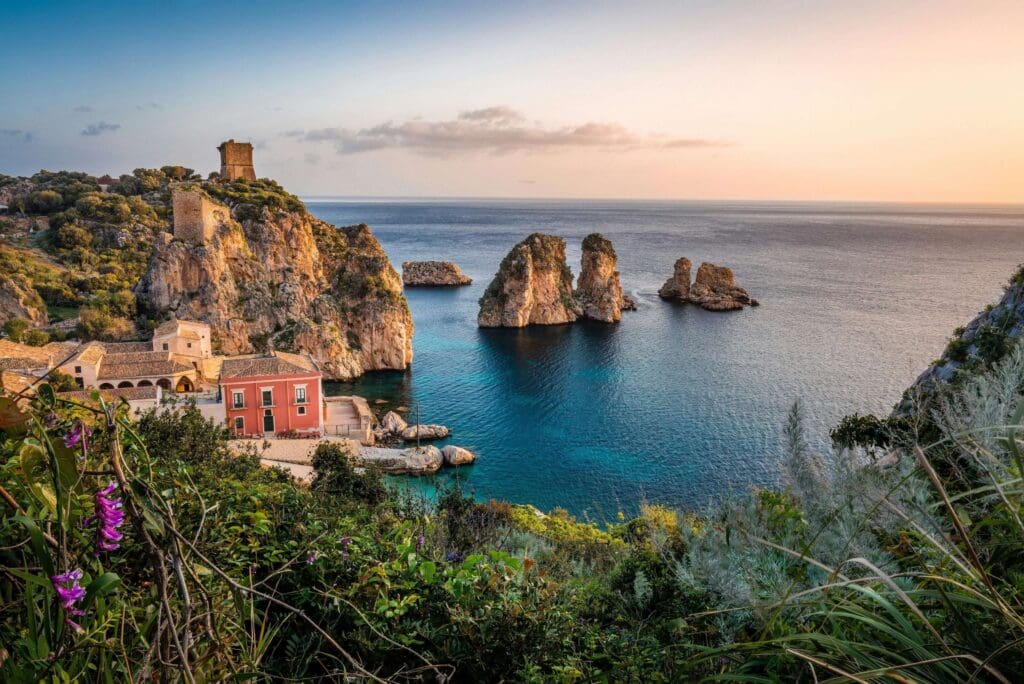
From the outside, a two week trip to Italy sounds straightforward. Rome and Sicily are familiar names. Flights are frequent. Hotels are abundant. Trains and domestic connections exist. On paper, it looks manageable, even simple.
In practice, this is the type of trip where stress tends to surface quietly and compound if the structure is not right.
This itinerary involved two regions with very different rhythms, varied infrastructure, and many demands on a traveler’s energy. It required balancing cultural intensity with rest, managing multiple flights and ground transfers, and accounting for jet lag, crowds, seasonality, and pace over fourteen days. The goal was never to see everything. The goal was for the trip to feel coherent and unforced from beginning to end.
Setting the context
The travelers had two weeks available and wanted to experience both Rome and Sicily in a single journey. They were drawn to history, food, and a strong sense of place, but they did not want to feel rushed or constantly scheduled. This was not meant to be a highlight reel. It was meant to feel immersive and grounded.
Just as important, they wanted ease. They did not want to think about logistics while traveling or spend time problem solving in the moment. They wanted to move through the trip with confidence that everything had been accounted for.
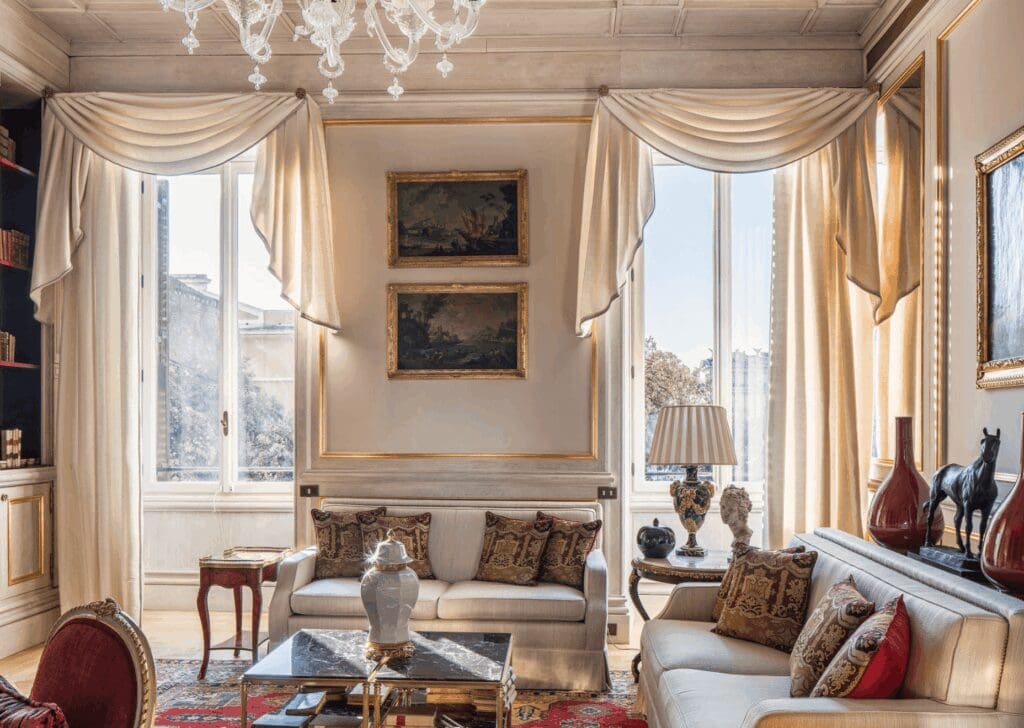
The main planning challenge
The challenge was not Italy itself. It was sequencing.
Rome and Sicily are both rewarding destinations, but they ask very different things of travelers. Rome is dense and demanding. It is visually rich, crowded, and stimulating. Sicily, depending on where you are on the island, is more expansive and physical. Distances are longer. Meals run later. Days unfold at a slower pace.
When these destinations are treated as interchangeable blocks of time, the trip often loses its balance. Fatigue shows up early, transitions feel abrupt and small inconveniences begin to feel outsized.
The task was to design an itinerary where the order of experiences supported the traveler’s energy rather than working against it.
Sequencing the decisions
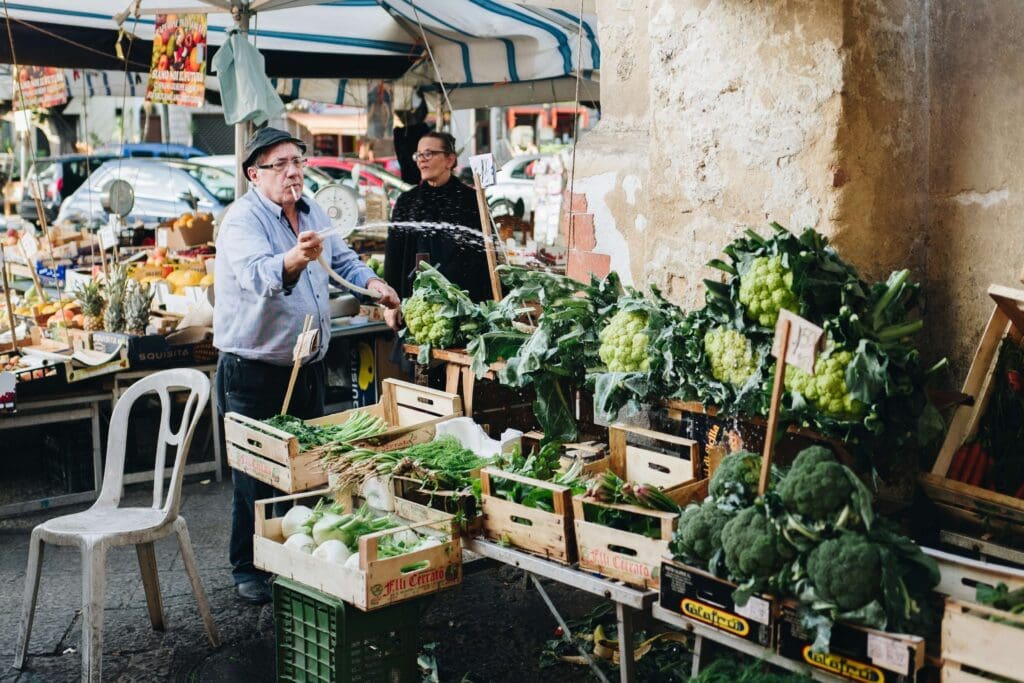
Planning began with overall flow rather than specifics.
Before hotels or experiences were selected, the general arc of the trip was established. That arc dictated the sequencing of each location and everything that followed.
Rome was positioned at the beginning of the trip, when energy was highest and curiosity was fresh. The first days were intentionally lighter, allowing space for jet lag to resolve without pressure. Movement was walkable. Timing was flexible. The city could be absorbed rather than conquered.
Sicily followed as a shift in pace rather than a continuation of intensity. The landscape opened up and the rhythm slowed.
Once that framework was in place, logistical decisions became clearer. Flights were selected based on how arrival and departure times affected the lived experience of each day, not simply cost or convenience. Early arrivals that looked efficient but drained energy were avoided. Tight connections that left no room for error were eliminated.
Internal movement was planned to minimize friction. Predictable routes were prioritized over theoretically faster ones. Transfers were designed to feel expected and smooth rather than hurried or improvised.
All of these decisions were made by me and happened quietly, well before departure.
Handling logistics without friction
Italy rewards preparation but penalizes assumptions, which is a fact many travelers overlook when planning their trip.
Train schedules shift constantly and domestic flights operate on different rhythms than international ones. Regional airports behave differently than major hubs. Traffic patterns change by season, time of day, and even local holidays.
None of this is obvious when planning from afar.
Each transfer in this itinerary included a built-in buffer, though it never felt like excess time. Arrival days were intentionally unstructured and departure days were simplified. Travel days between destinations were treated as part of the journey rather than something to endure.
Coordination happened behind the scenes so the travelers never needed to wonder who they were meeting or what came next. Instructions were clear without being overwhelming. If anything shifted, the structure absorbed it before it became their problem.
The complexity was always there, just out of sight of the client.
What the travelers did not have to think about
Throughout the trip, the travelers did not need to calculate how long a transfer might really take or whether a connection was too tight to feel comfortable. They did not need to reassess plans mid trip because a day felt too full or poorly timed. They did not spend mental energy wondering if they were missing something or moving too quickly.
They moved from one part of the journey to the next with confidence, knowing that the pacing had been considered and that transitions had been designed to support how the trip unfolded. Their attention stayed on where they were, not on what came next.
That absence of mental load was intentional, and for most travelers, the ultimate luxury.
What would have gone wrong without structure
Without thoughtful sequencing, Rome could have felt overwhelming rather than energizing. Too much intensity too early often leads travelers to disengage instead of lean in. Without a clear transition, Sicily might have felt disconnected from the rest of the trip rather than like a natural continuation.
Without a buffer built into transfers, minor delays would have created stress far out of proportion to their actual impact. Without an overall arc, the trip could have felt like two separate vacations stitched together instead of a single, cohesive experience.
These are not dramatic failures. They are subtle ones. They accumulate quietly until the trip feels heavier than it should.
Why ease is the real marker of good design
The most successful trips are rarely the ones that look the most impressive on paper. They are the ones where travelers feel supported without being conscious of it.
Ease is not accidental. It is designed.
It comes from understanding how destinations behave, how travelers move through them, and where friction tends to appear. It comes from sequencing decisions rather than solving everything at once. It comes from building a structure that absorbs complexity instead of handing it to the traveler.
In this case, Italy unfolded in a way that felt natural and complete. The travelers were present for the moments that mattered because someone else had already handled the ones that did not.
That is what travel design looks like when it is done well.