Most city trips begin with good intentions and a familiar formula. Travelers research the highlights, map the major sights, and build their days around what a city is known for rather than how it actually works. The result is often efficient and visually satisfying, but oddly disconnected. You come home with photos and facts, yet struggle to articulate what the city felt like.
That disconnect usually has less to do with what was seen and more to do with how the trip was structured.
Cities are systems. They operate on habits, timing, and repetition. Where people buy bread. When cafés fill and empty. Which streets feel lived in rather than passed through. These patterns rarely appear on early itineraries because they are not dramatic. They do not announce themselves. They require time, proximity, and a willingness to linger.
When travelers plan only around what a city is famous for, they miss how it functions day to day.
One of the most common missteps in city travel is over compression. Too many stops. Too many neighborhoods. Too many expectations layered into a single day. Movement replaces presence. Meals become rushed. Afternoons feel clipped. Evenings feel staged. The city becomes something to get through rather than somewhere to inhabit.
This pace flattens experience. Even cities with immense beauty and history can start to feel interchangeable when days are built around constant motion. You may cover a lot of ground, but very little settles.
Another thing travelers often miss is scale. Major cities are rarely a single place. They are collections of neighborhoods, each with its own rhythm, priorities, and relationship to time. Seeing only the historic core or the most recognizable district offers an incomplete picture. You understand a city more fully by noticing what happens just beyond where visitors usually stop.
This becomes especially clear in cities that carry heavy historical weight.
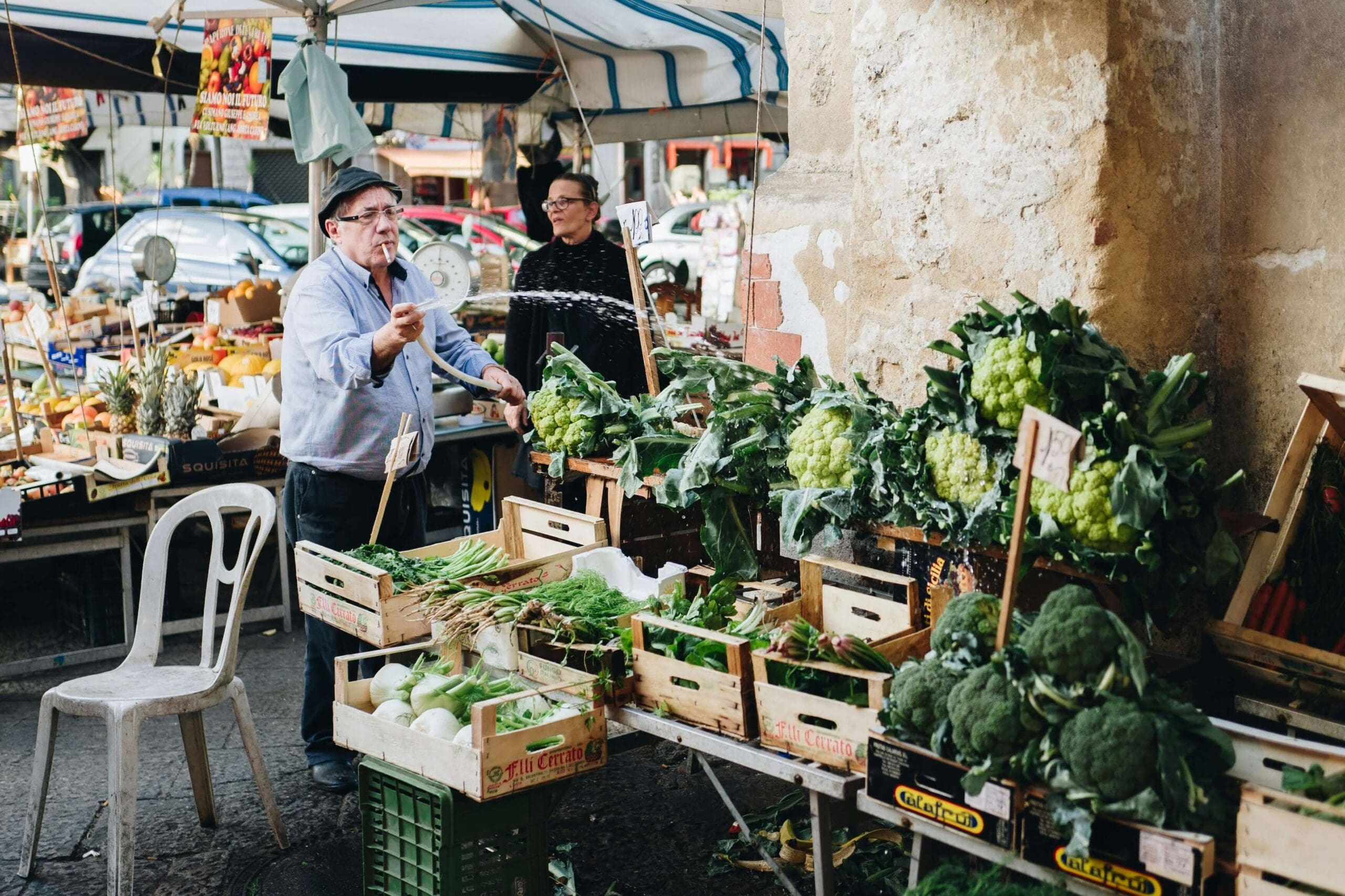
Palermo is a useful example. Many visitors experience it through markets, monuments, and street food, and those elements matter. What is often missed is how Palermo moves in between those moments. The pause after lunch. The quieter residential streets in the afternoon. The informal social life that happens outside bakeries and cafés rather than inside formal dining rooms. Palermo reveals itself through routine, not spectacle.
History in Palermo lives as much in the ordinary as it does in the monumental. Centuries of influence appear not only in palaces and churches, but in what people cook at home, how they shop, and how long they linger. When the pace is too fast, these connections blur. The city becomes a backdrop rather than a participant.
Rome presents a different version of the same challenge.
Most travelers arrive in Rome with a checklist already formed. The landmarks are undeniable and deserve attention. What is often overlooked is that Rome is also a contemporary, working city. People commute. Children attend school. Locals return to the same cafés each morning. Entire neighborhoods exist outside the tourist lens, with their own internal rhythms.
Many visitors never experience Rome without an agenda. Days are structured around monuments. Meals are squeezed between sites rather than shaping the day. What gets missed is cadence. The morning espresso ritual. The slow transition into evening. The way certain neighborhoods come alive after dark for residents rather than visitors.
Rome becomes more legible when you stop asking what to see and start noticing when things happen.
Across cities, this pattern repeats. Travelers miss context when they prioritize visibility over rhythm. They miss texture when they move too quickly. They miss understanding when they plan for coverage rather than continuity.
This does not mean avoiding landmarks or ignoring history. It means recognizing that cities do not reveal themselves all at once, and they do not perform on demand. They require restraint from the visitor.
What changes the experience is space. Fewer neighborhoods. Fewer daily objectives. Meals that anchor the day instead of interrupting it. Time set aside for wandering without purpose. Sitting long enough in one place to recognize faces, routines, and small shifts in energy.
When you give a city room to breathe, it responds differently. You start to notice patterns instead of attractions. You understand how the day is meant to unfold. You stop moving through the city and begin moving with it.
Cities are not withholding anything. They are simply not designed for constant consumption.
When a city trip is planned with intention and margin, something subtle but important happens. You may leave with fewer highlights, but you carry a clearer sense of how the city lives. That understanding lingers longer than any photo, because it is rooted in experience rather than documentation.
The cities that stay with us are rarely the ones we see the most of. They are the ones we understood just enough to feel oriented inside.