The trips that stay with us rarely do so because of a single moment. They are remembered for how they unfolded. How the days felt. How little friction there was between intention and experience. Long after details blur, what remains is a sense of ease and coherence that is difficult to describe but immediately recognizable.
That quality is not accidental.
When you look closely at trips that feel genuinely satisfying, a few quiet patterns emerge. They are not necessarily slower, more expensive, or more exclusive. What they share is structure without rigidity, rhythm without rush, and decisions made early enough to support rather than constrain the experience.
Most travel frustration comes from compression. Too many decisions made too late. Too much packed into too little time. Too much effort spent trying to optimize instead of orient. These trips still function, but they feel heavy. They ask the traveler to manage rather than experience.
The best trips feel different because the work was done before the journey began.
Early planning does not eliminate uncertainty, but it creates margin. Margin is what allows a trip to absorb change without stress. When flights shift, priorities evolve, or energy dips, there is room to adjust. When planning happens late, even small changes feel disruptive because the structure is already tight.
This is why ease tends to show up downstream. It is the outcome of decisions made when there was still space to choose deliberately.
Pacing plays a similar role once the trip begins. Trips that feel coherent are rarely built around constant movement. They are built around anchors. Meals that divide the day. Neighborhoods that are returned to rather than passed through. Moments that invite pause instead of momentum. These anchors create continuity, which allows the traveler to feel oriented rather than scattered.
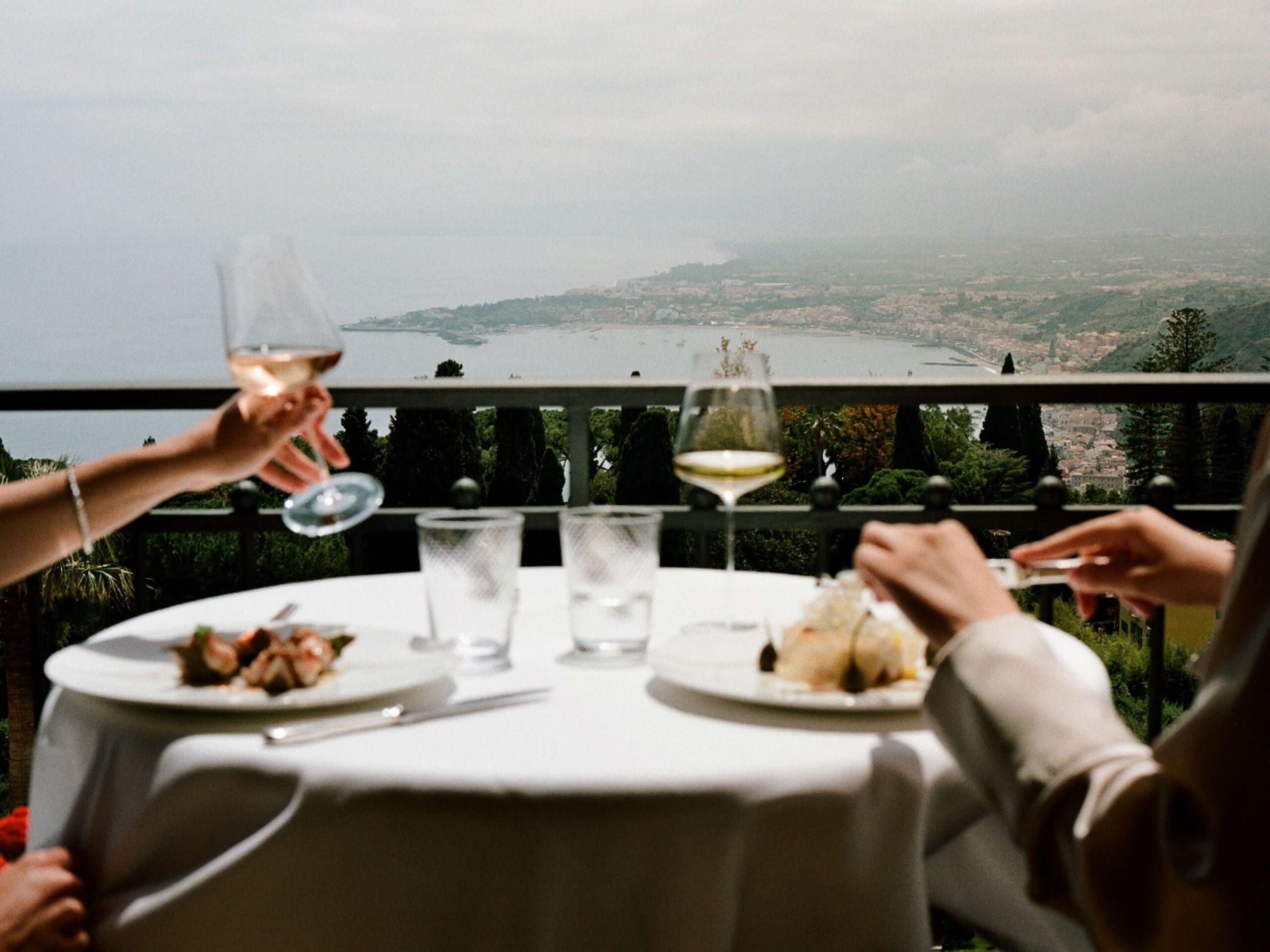
Food often sits at the center of this structure, not because it is indulgent, but because it is grounding. Meals create natural breaks. They slow the day without effort. They place the traveler inside a rhythm that already exists. When meals are treated as anchors rather than interruptions, everything around them becomes more legible.
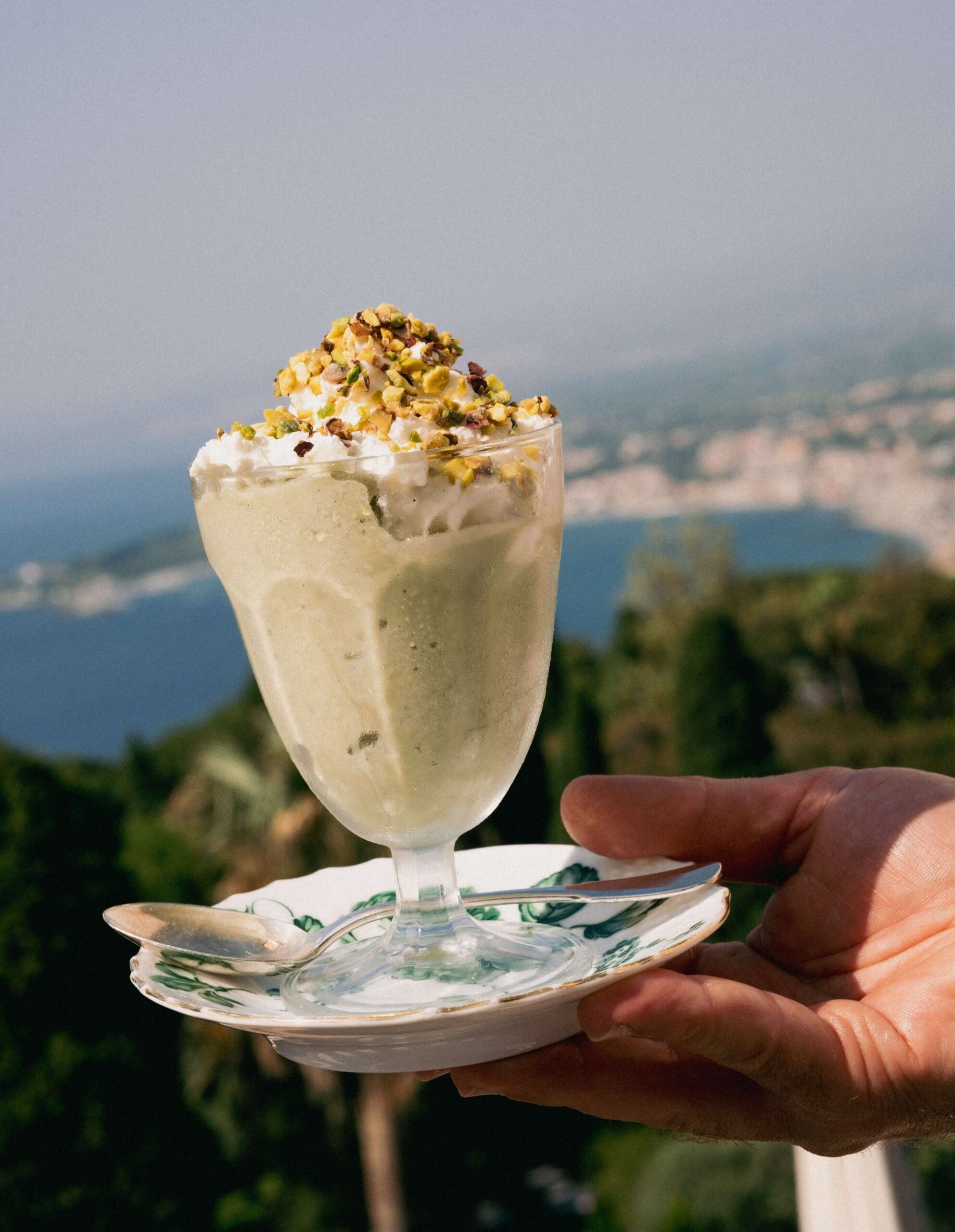
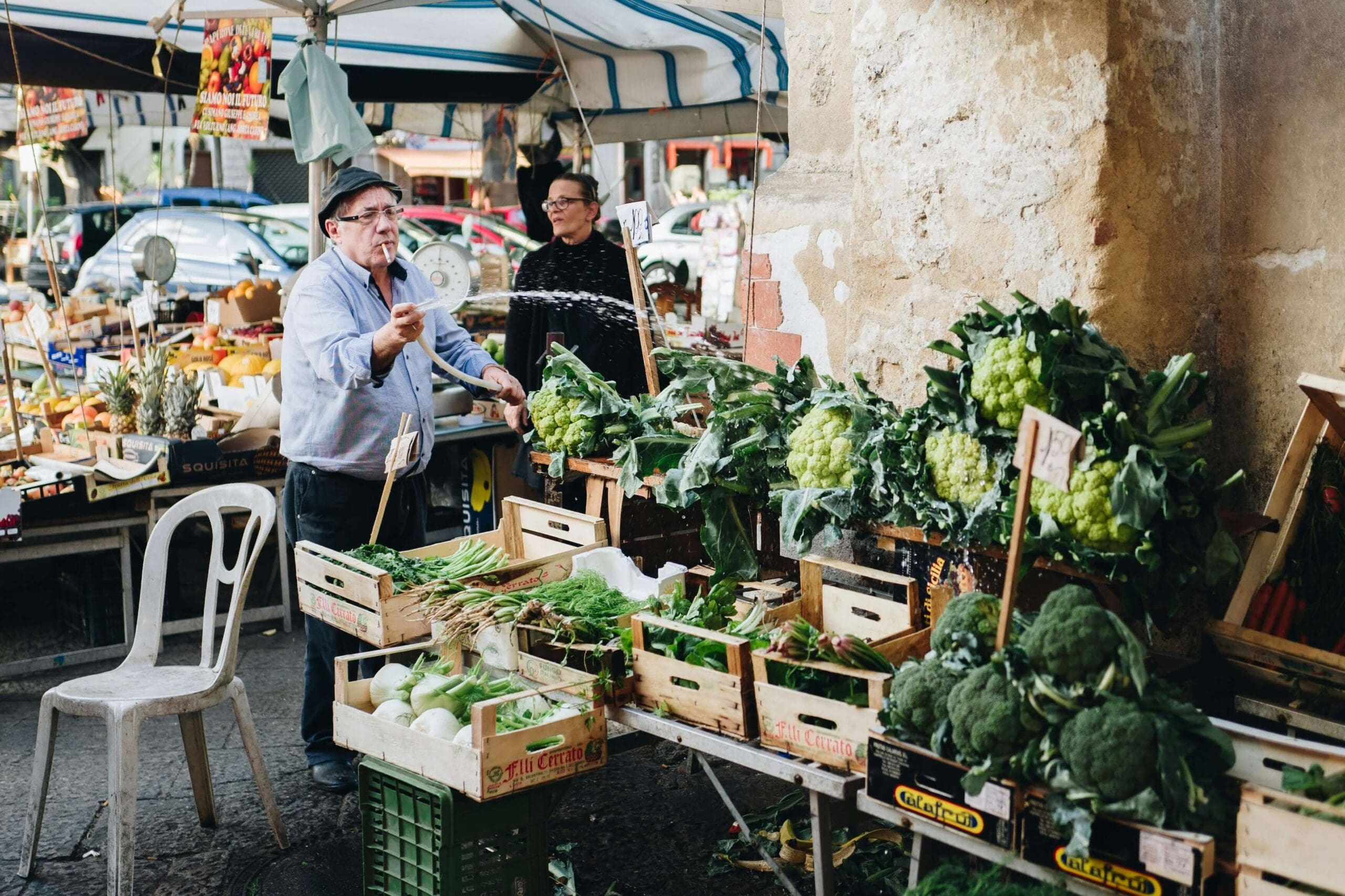
This is also why food creates such rapid orientation at the beginning of a trip. Before you understand the language or the geography, food teaches you how the place lives. What is everyday. What is special. How time is treated. That understanding carries forward, shaping decisions quietly for the rest of the journey.
City travel makes these patterns especially visible. Cities overwhelm easily when approached through highlights alone. Movement replaces presence. Context gets flattened. When travelers slow the pace, limit neighborhoods, and allow meals and routines to structure the day, cities stop performing and start revealing themselves. The experience shifts from coverage to inhabitation.
What ties all of this together is intention applied early and revisited often. Not rigid plans, but a clear sense of what matters most. Rest. Food. Exploration. Time together. When priorities are understood, decisions become lighter. Tradeoffs feel chosen rather than imposed. The trip gains a point of view.
This is what experienced travelers often sense instinctively. They know that the difference between a good trip and a great one is rarely found in a single booking or recommendation. It lives in sequencing. In timing. In restraint. In knowing when to decide and when to wait.
The irony is that the trips that feel the most effortless are usually the most considered. Not because they are over planned, but because they are planned in the right order. Structure first. Texture later. Space throughout.
When these elements align, travel stops feeling like a performance. You are no longer trying to extract value from every hour. You are present enough to notice what matters. The place begins to meet you halfway.
The best trips do not demand attention. They allow it.
And once you experience that difference, it becomes difficult to unsee. You start to recognize where friction comes from and how easily it can be reduced. You notice how often stress is the result of timing rather than circumstance. You begin to value orientation over optimization.
This is not about traveling perfectly. It is about traveling with enough clarity and margin that the experience can unfold naturally.
When that happens, the trip carries less weight.
You move with intention rather than urgency.
You return not just with memories, but with a deeper sense of how the place works.
That understanding lingers. And it tends to shape how you travel from that point forward, quietly raising the standard for what feels worth your time.