The best trips are rarely shaped by what you see first. They are shaped by when you sit down.
Meals create an underlying architecture for travel that most people never consciously name, but immediately feel. They divide the day into something humane. Morning has a beginning and an end. Afternoon has permission to soften. Evening arrives without being forced. When meals are treated as anchors rather than interruptions, the entire pace of a trip shifts.
This matters more than most travelers realize, because without structure, travel quickly becomes a string of decisions. Where to go next. What to see. How to get there. What to skip. Meals get pushed to the margins, squeezed in wherever there is time left. When food is handled this way, days accelerate. You move faster, cover more ground, and notice less. Even beautiful places can start to feel flat.
When meals are placed intentionally, something different happens. The day gains shape. You are no longer filling time. You are moving toward something.
This does not mean planning every meal in advance or building an itinerary around restaurants alone. It means recognizing that eating is one of the few moments when travel naturally slows you down. You sit. You pause. You participate in a rhythm that already exists in the place you are visiting. Even a simple meal can reset the nervous system in a way that no landmark ever does.
Across cultures, meals reveal values more clearly than museums. How long people linger at the table. Who eats together. What time dinner begins. Whether lunch is a quick refuel or a protected pause. These details quietly communicate how a place understands time, pleasure, and community. When travelers align their days around these patterns, they begin to experience the destination on its own terms rather than imposing their own tempo onto it.
Meals also create natural pauses that improve the quality of everything around them. A proper lunch establishes a midpoint to the day. It gives the morning a close and the afternoon room to open slowly. A late dinner stretches the evening rather than ending it abruptly. Instead of rushing from site to site, you wander with intention. Curiosity leads. Logistics recede.
This approach works anywhere, but it becomes especially clear in places where food is inseparable from daily life.
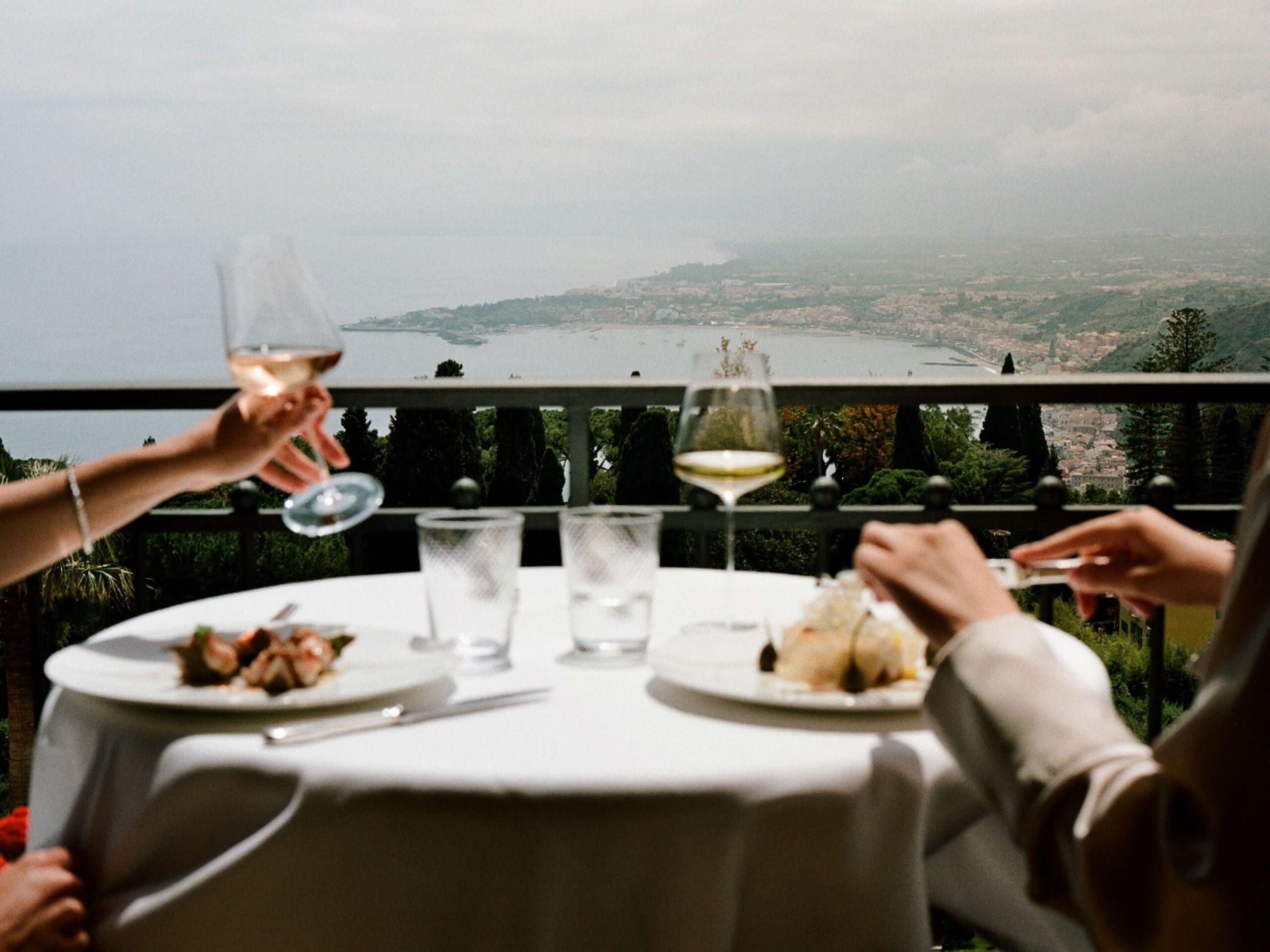
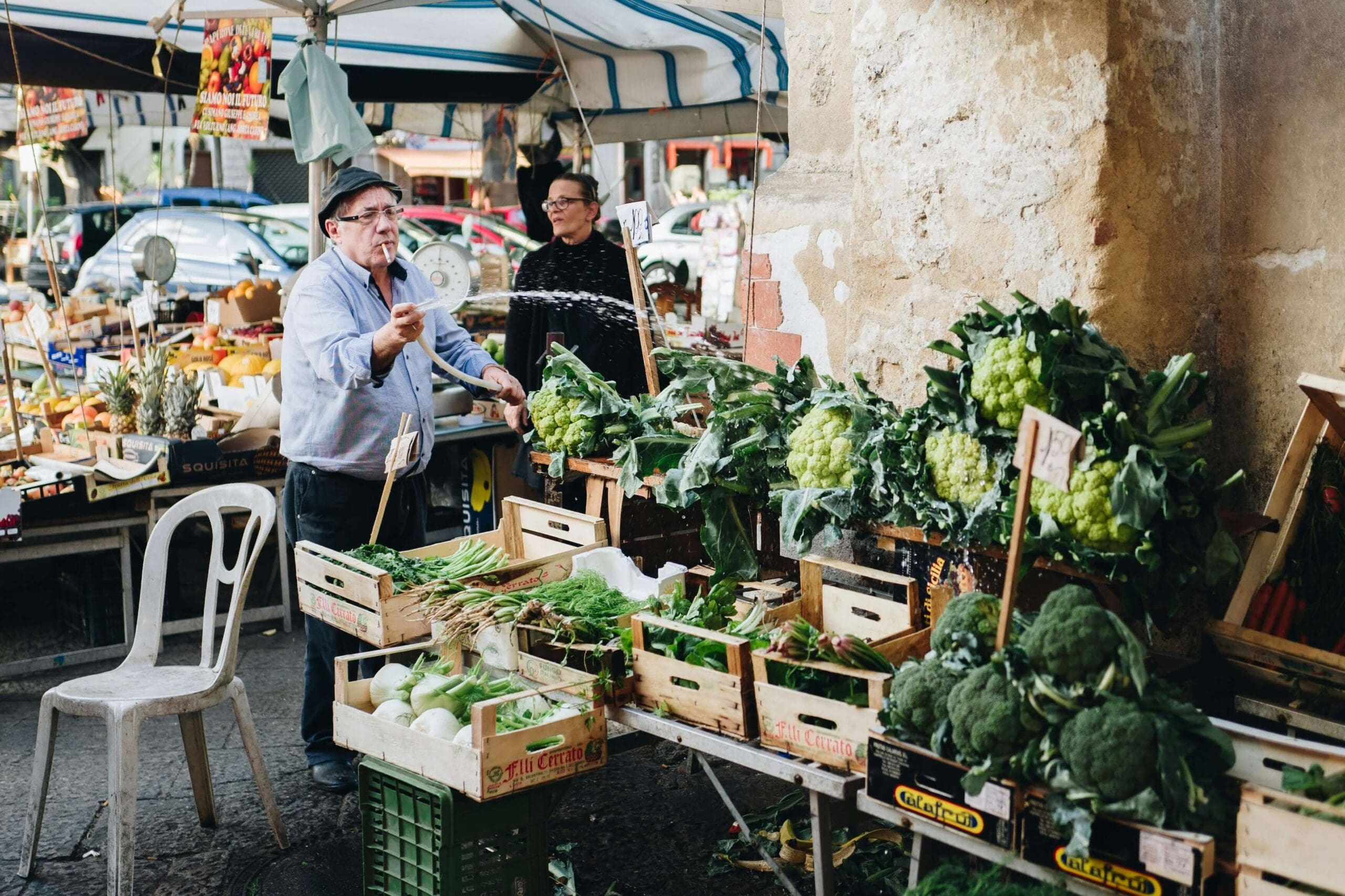
In Sicily, meals quietly dictate the flow of each day. Lunch is not a quick stop between activities. It is a commitment. Kitchens wait on the market. Tables are shared. Time stretches without apology. Dinner arrives late, not as an event, but as a continuation of the evening. Once you accept this rhythm, the trip recalibrates almost immediately. Mornings feel lighter. Afternoons slow naturally. The pressure to fit everything in fades because the day already has structure.
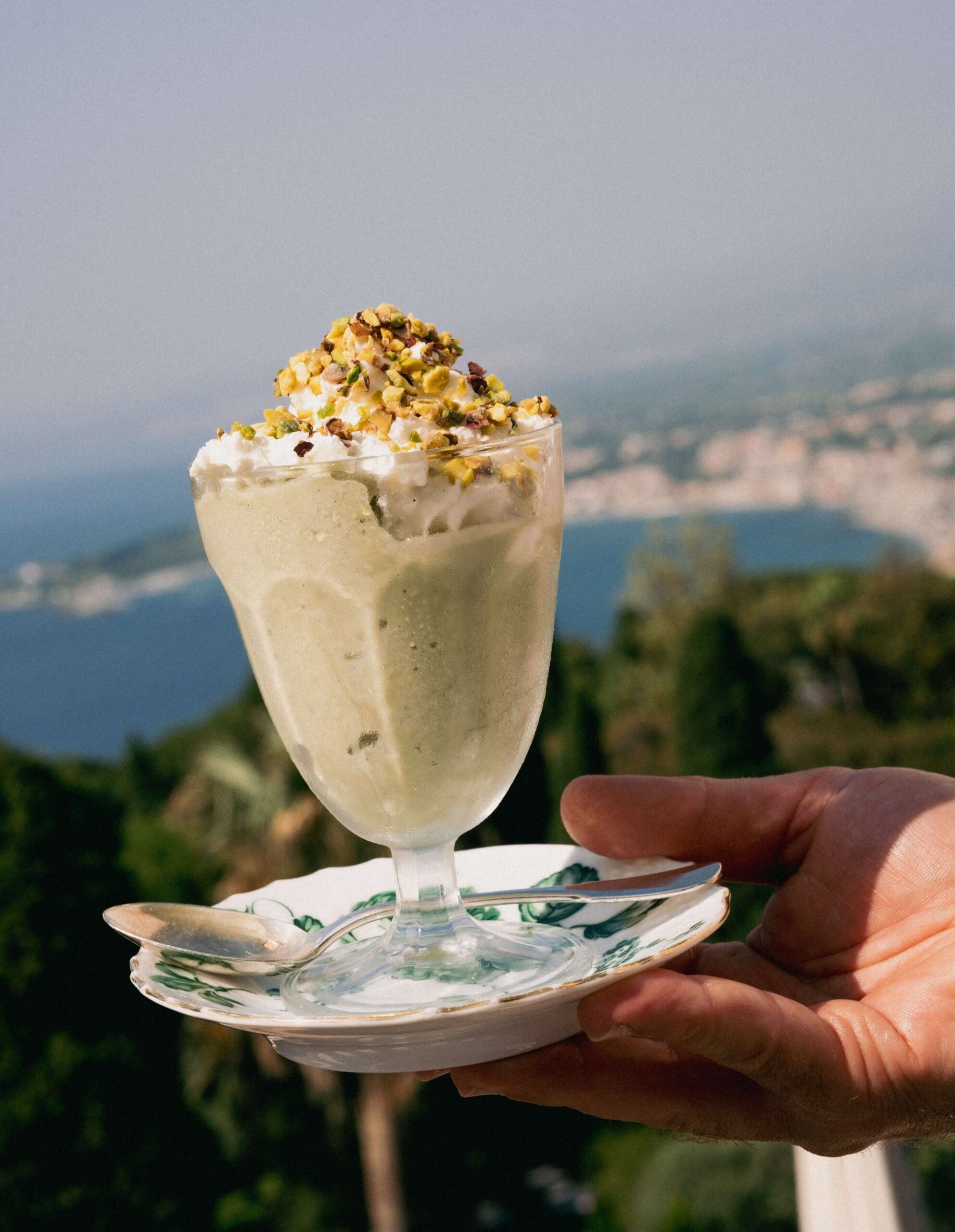
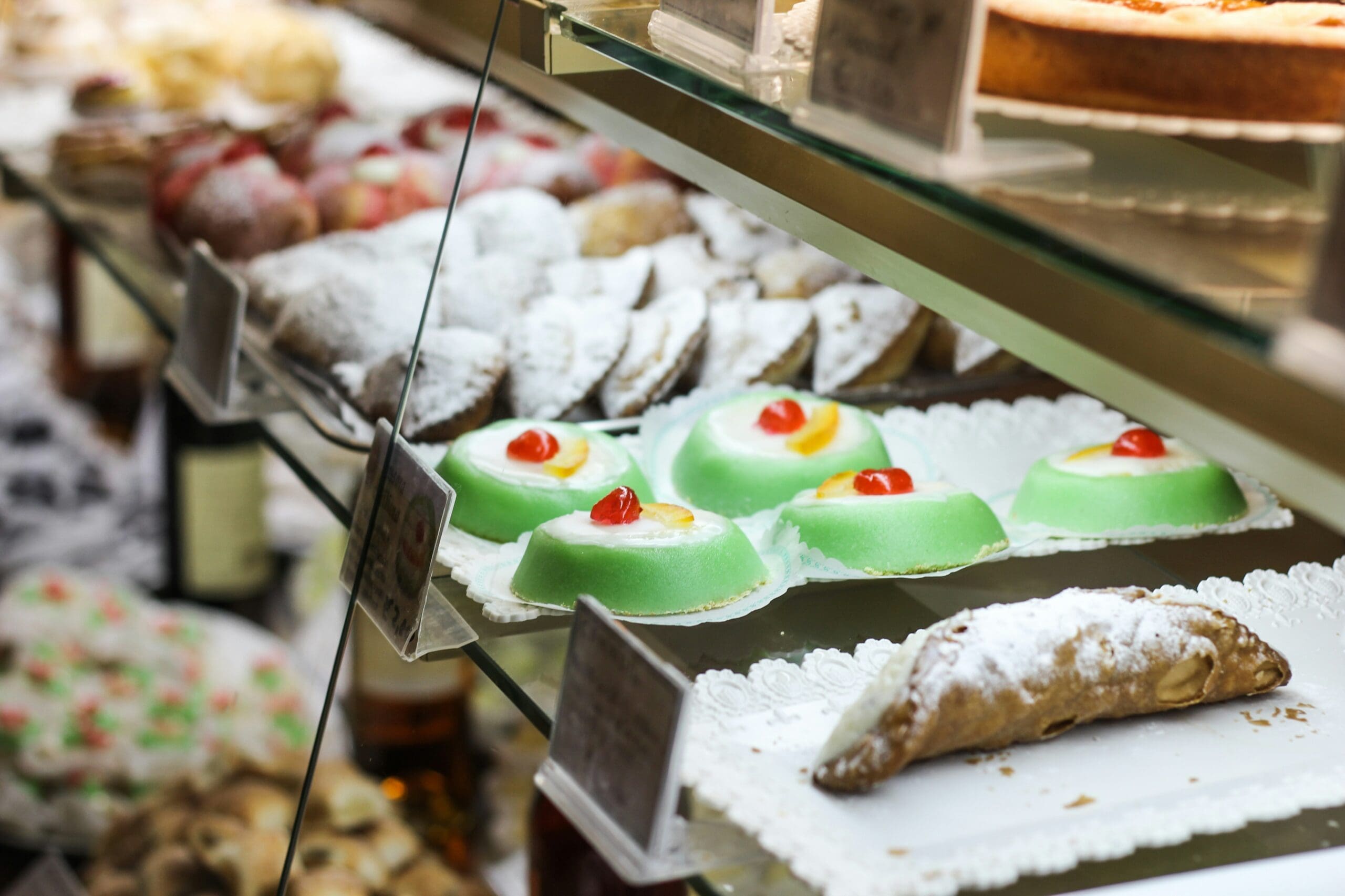
What makes Sicily such a useful example is how little explanation is required. A plate of food tells you where you are. Coastal towns lean toward fish, citrus, and simplicity. Inland cooking reflects land, livestock, and restraint. Arab influences surface in sweets and spices. Norman and Spanish layers appear in abundance and technique. History becomes legible without instruction. The meal does the work.
But the lesson extends far beyond Sicily.
In Spain, late dinners pull the day open rather than close it. The evening is not a conclusion, but a second act. In Germany, especially in smaller towns, lunch still carries weight, signaling when work pauses and resumes. In France, meals protect the idea that time is not always meant to be optimized. When travelers honor these patterns, they stop forcing efficiency onto their days and begin moving with the place instead of through it.
There is also an emotional dimension to structuring trips around meals. Meals invite conversation that sightseeing does not. They create space for reflection. They allow moments to settle. Some meals will stand out vividly. Others will fade into the background. Both are necessary. Not every dining experience needs to be remarkable. Ordinary meals create contrast. They give texture to the trip and make the memorable moments feel earned rather than relentless.
Trips structured around meals are remembered differently. Not as a checklist of highlights, but as sequences. Long lunches that blurred into afternoon walks. Late dinners that turned into unplanned conversations. Mornings that felt unhurried because there was nowhere immediate to be. You remember how the days felt, not just what you saw.
This is the quiet advantage of letting meals lead.
You cover less ground.
You absorb more.
Travel becomes less performative and more lived in. And long after the details blur, the rhythm stays with you.