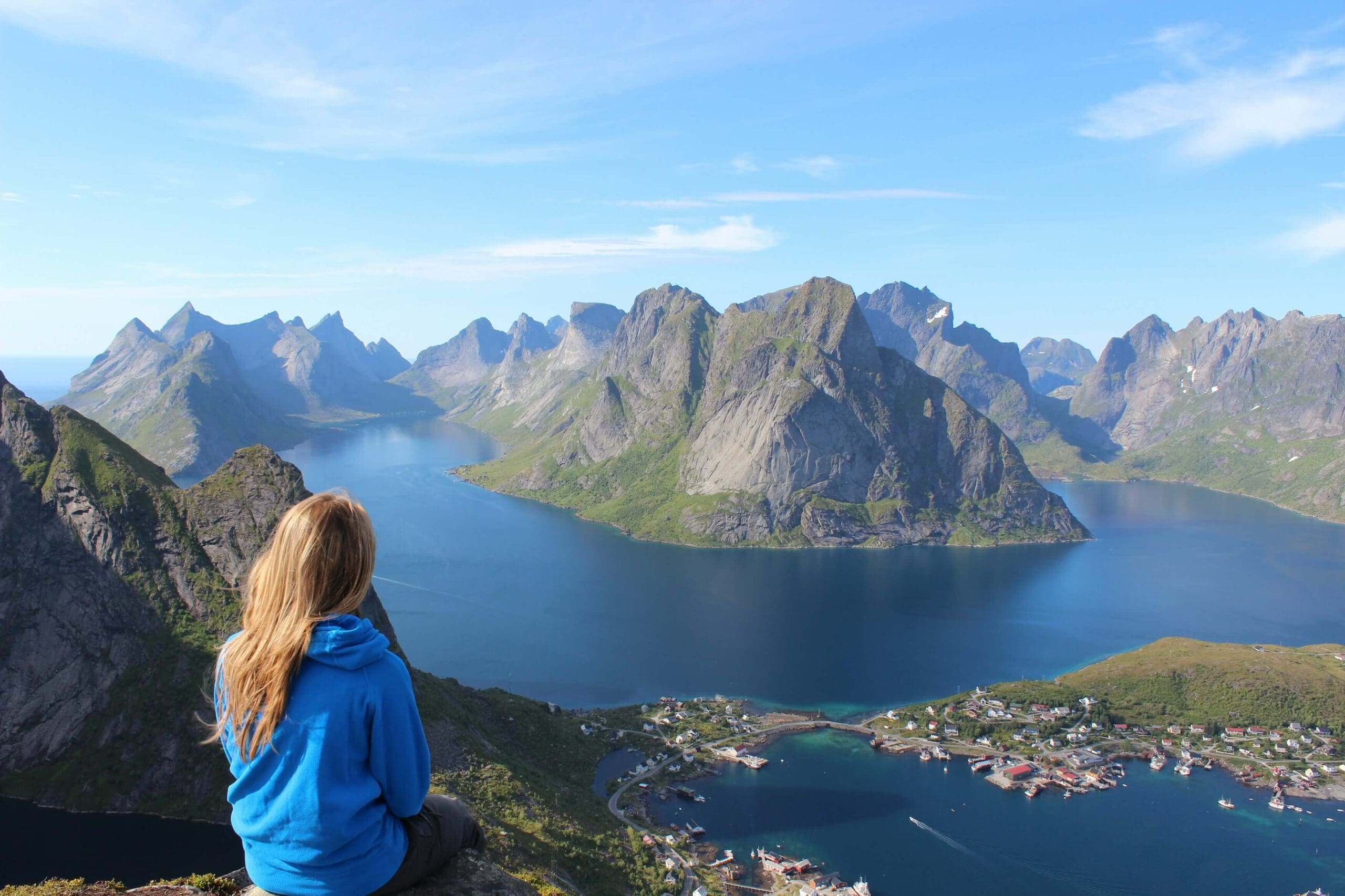
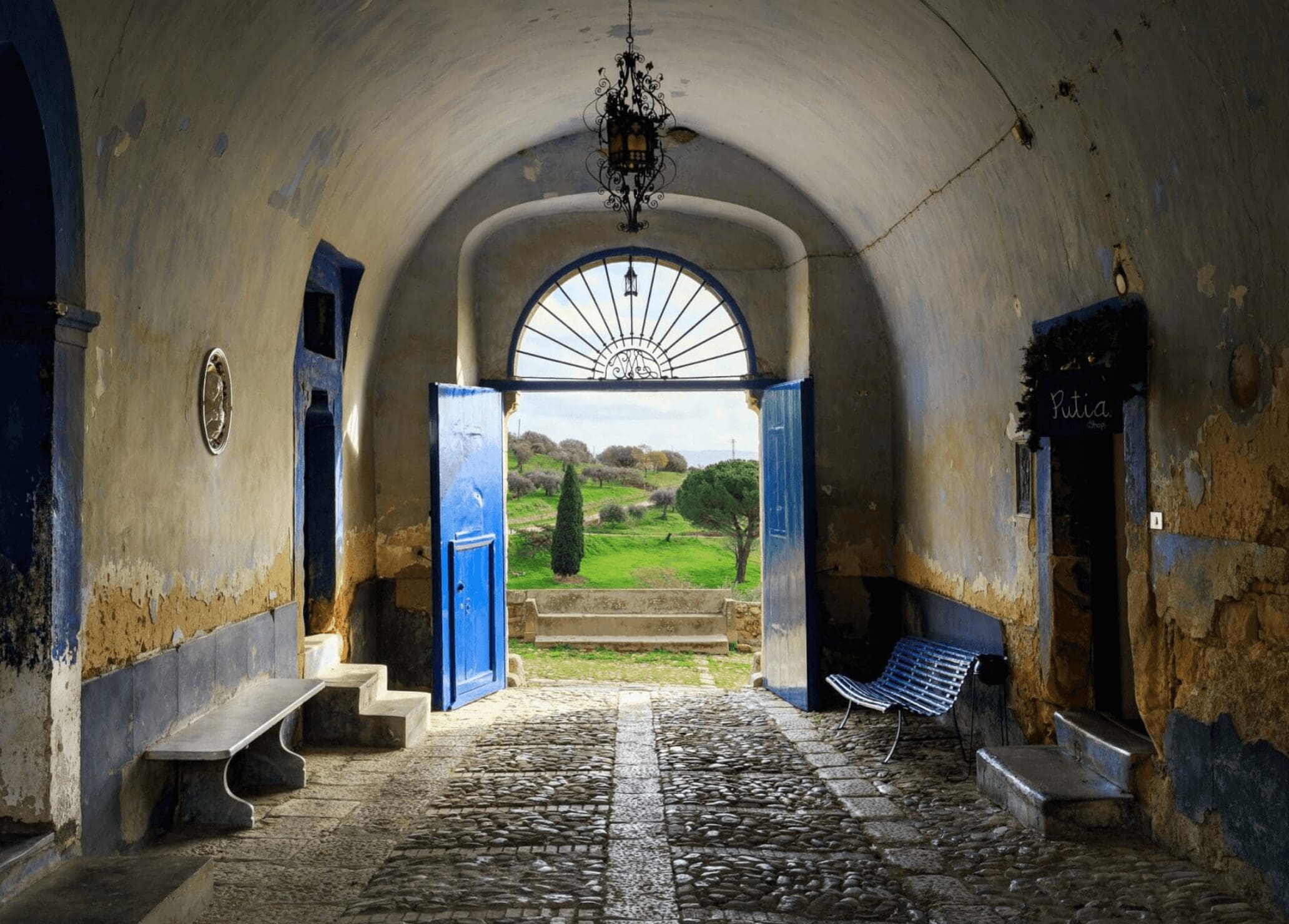
Travelers often assume orientation comes from landmarks. The cathedral. The central square. The view that appears on postcards and guidebook covers. These places matter, and they provide useful reference points, but they rarely help you understand where you are in any meaningful way. They tell you what a place looks like. They do not tell you how it lives.
Food does.
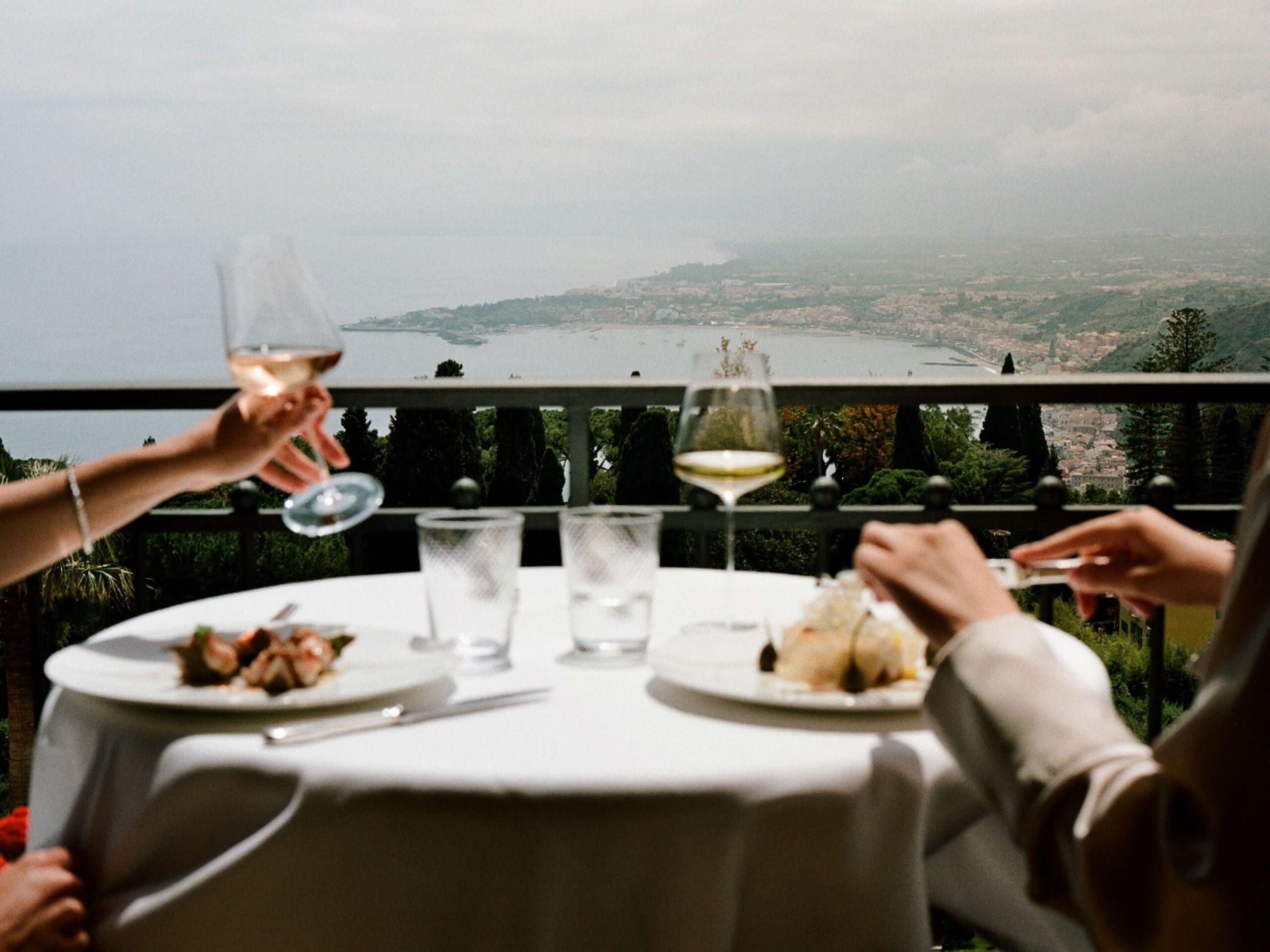
Eating places you inside a system almost immediately. Within a single meal, you begin absorbing information that landmarks cannot offer, no matter how iconic they are. You learn what grows nearby. What people value. How time is treated. Whether meals are social or solitary. Formal or casual. Fast or slow. These cues arrive quietly, without instruction, and they shape how the place begins to feel.
Landmarks orient you spatially.
Food orients you culturally.
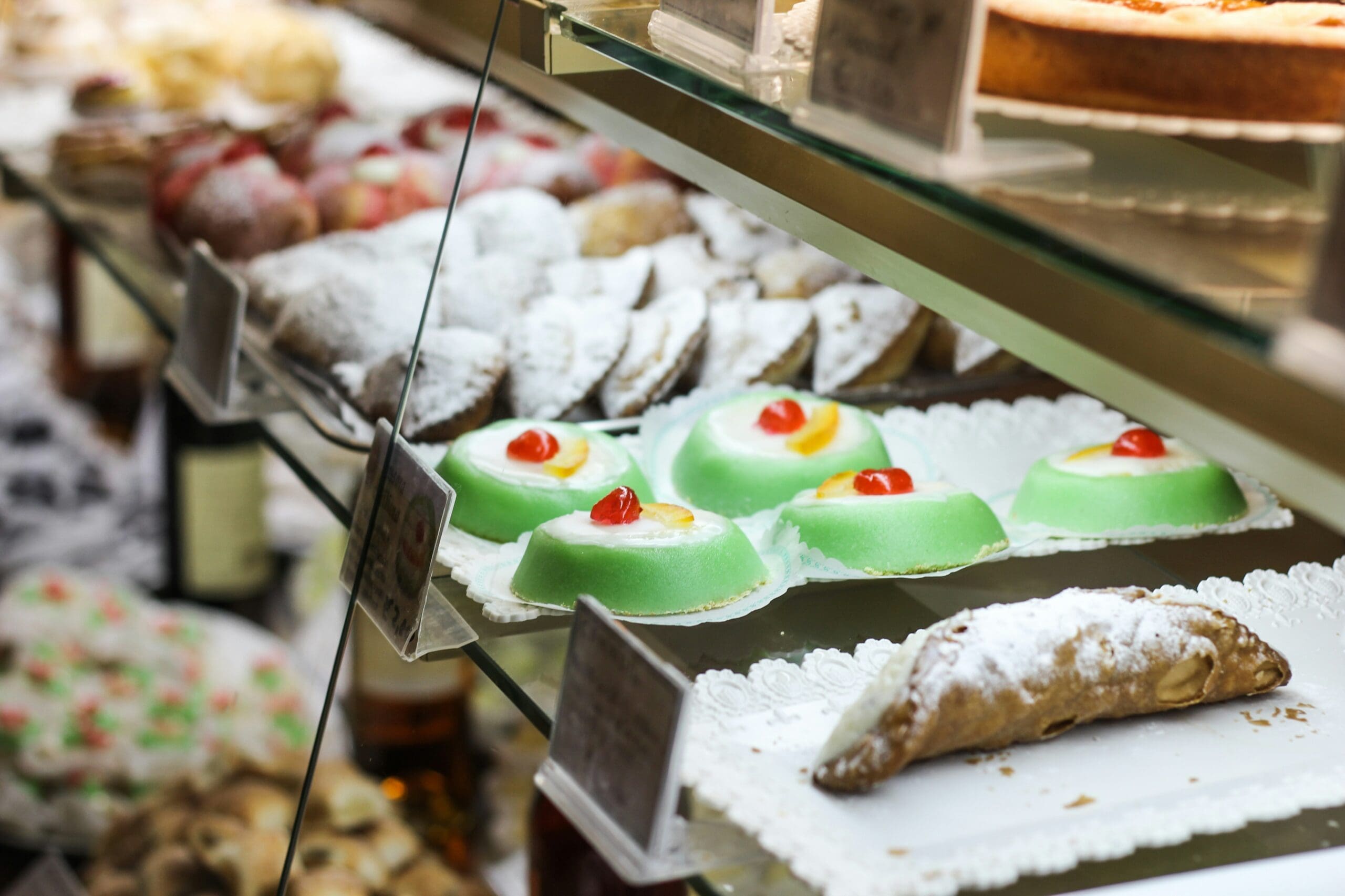
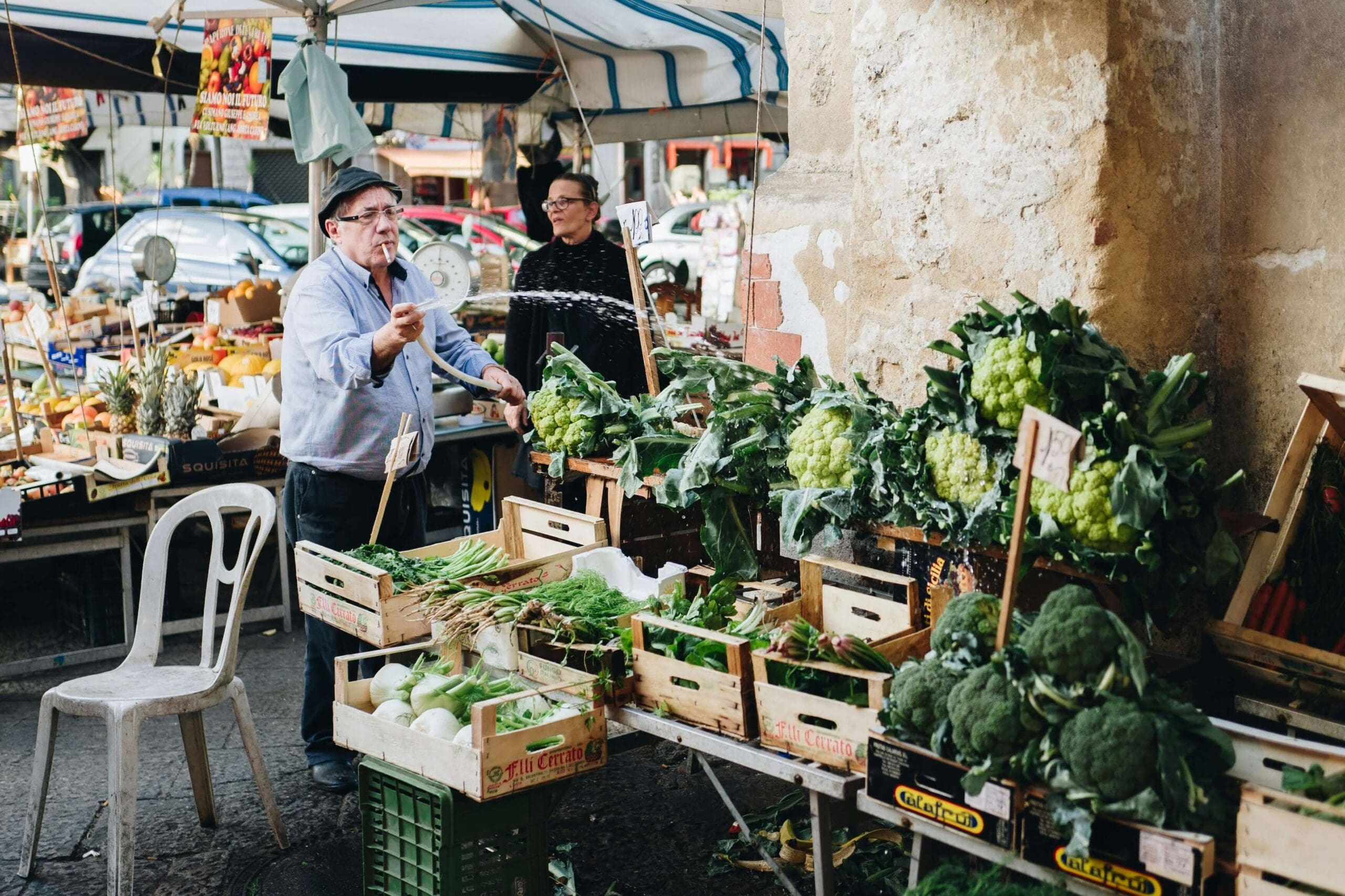
This is why food creates a faster sense of grounding when you arrive somewhere new. It is sensory, practical, and participatory. You are not observing from a distance. You are engaging. Even before you understand the language or the layout of the city, you start to recognize patterns. Ingredients repeat. Flavors return in different forms. You connect what is on the plate to what you see in markets, storefronts, and kitchens. The place begins to cohere.
This is also why beginning a trip with a food focused experience is so effective. Not because it is entertaining, but because it is orienting. A market walk, a tasting, or a guided food experience on the first day offers a framework for everything that follows. It establishes context before expectations harden and fatigue sets in.
The first day of a trip is often disorienting in subtle ways. Time zones blur. The city feels unfamiliar. You are alert but ungrounded. Expectations are high, but understanding is thin. Food lowers the barrier to entry. You do not need background knowledge. You do not need to know where you are headed next. You follow, you taste, you listen, and understanding begins to form naturally.
Food also teaches scale, which is something many travelers struggle to grasp early on. You learn what is everyday and what is special. What locals eat casually and what is reserved for celebrations. This distinction matters more than it appears. When every meal is treated as exceptional, the experience becomes exhausting. When you understand what normal looks like, extraordinary moments stand out with clarity rather than competing for attention.
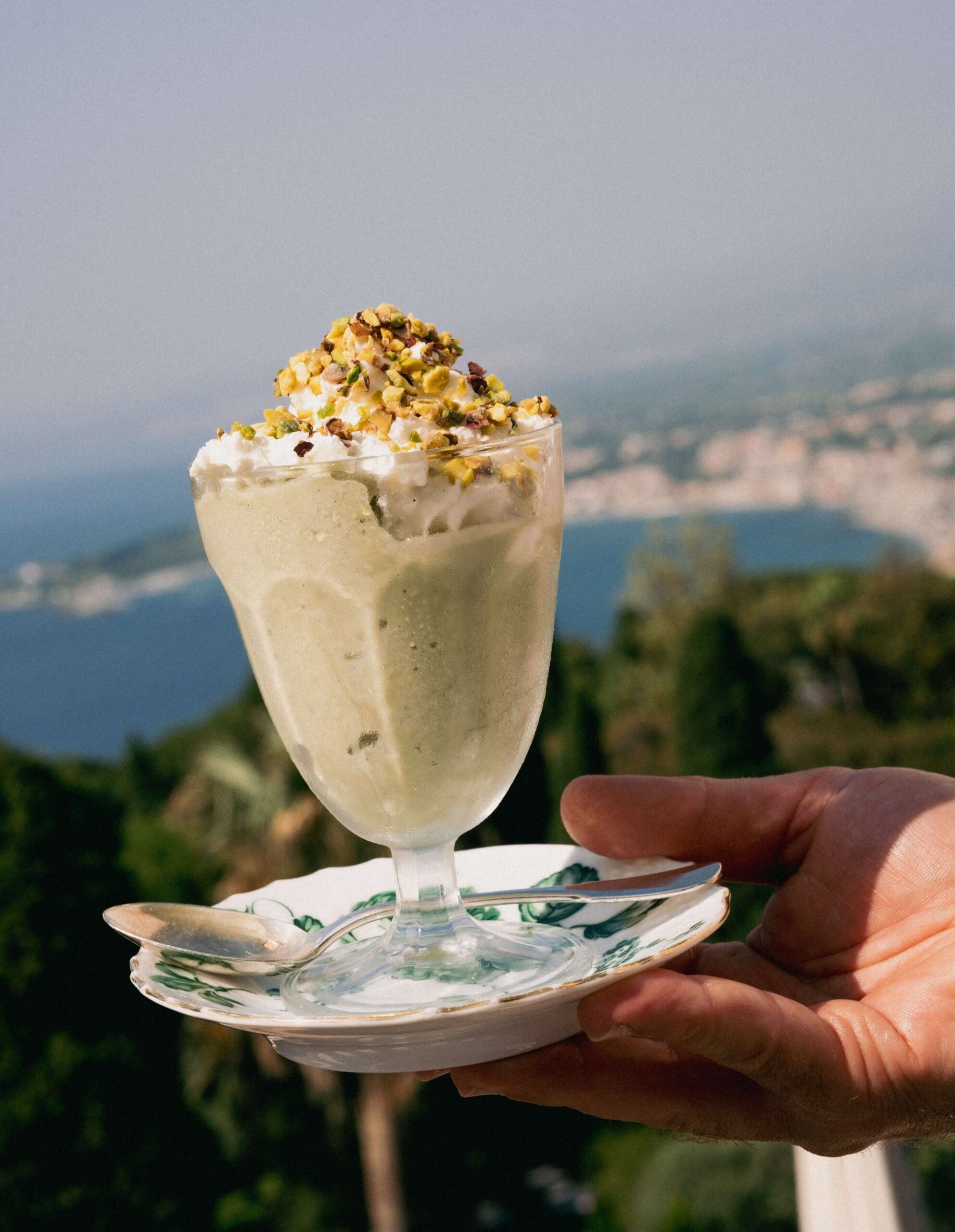
Another reason food accelerates orientation is that it ties geography to habit. A dish reveals whether you are coastal or inland. A wine tells you about climate, soil, and exposure. A market shows how often people cook, what they buy fresh, and what they preserve. These details anchor memory. Later in the trip, when you pass a café or read a menu, you recognize what you are seeing. The city feels navigable rather than abstract.
This form of orientation compounds quickly. Once you understand the local food logic, ordering becomes easier. Restaurants feel less intimidating. You begin making choices with intention rather than guesswork. Meals stop feeling like tests to pass and start feeling like part of daily life. The place grows smaller, not because you have seen everything, but because you understand how things connect.
Food also creates emotional orientation, which is often overlooked. Sharing a table establishes ease in a way sightseeing rarely does. Conversation flows more naturally. Curiosity replaces self consciousness. Even for travelers who feel tentative in unfamiliar environments, food provides a shared language. You may not know the customs yet, but you understand the act of eating. That familiarity builds confidence quickly.
This is especially important in the early days of a trip, when travelers are still negotiating their relationship with the place. A meal signals that you are allowed to pause. That you belong at the table, even temporarily. That sense of belonging changes how you move through the rest of the trip.
Once this foundation is set, everything else unfolds more smoothly. Museums feel richer because you understand the context around them. Neighborhoods feel distinct rather than interchangeable. Even landmarks become more meaningful because they are no longer isolated points, but part of a lived landscape.
Landmarks still have their place. They anchor history. They provide orientation in space and time. But they rarely teach you how to exist within a place day to day. Food does that work quietly and efficiently.
When travelers begin with food, they gain a map that is not printed. It lives in memory and instinct. It informs decisions without effort. It shapes the rhythm of the days ahead without demanding attention.
Food is not an add on at the beginning of a trip. It is orientation. It provides a base, a framework, and a sense of belonging early on.
Once that happens, the rest of the journey makes sense.